lunedì 29 gennaio 2018

Sepultura - Arise


Sepultura - Arise
(Roadrunner Records, 1991)

Arise è il punto di equilibrio nella carriera dei Sepultura. Apice delle sonorità death/thrash metal, è anche il punto d'inizio di una profonda ricerca dei ritmi e delle atmosfere tribali brasiliane. Il risultato è un capolavoro, cattivo come il thrash metal degli Slayer, fangoso come il death metal degli Obituary, sporco come il crust punk degli Amebix, "spirituale" come un oscuro rito tribale. L'etichetta Roadrunner aveva grandi aspettive, perciò l'album fu registrato al Morrisound Recording di Tampa (prima volta che i Sepultura registrarono un album al di fuori del Brasile), uno degli epicentri della rivoluzione death metal. Arise contribuì alla rivoluzione con un suono innovativo, distante da quelli americano, inglese e svedese. Arise è polveroso come le mani che scavano nella terra, in cerca di radici, lontane da una superficie dominata da visioni apocalittiche. Un atto di rivolta contro una realtà ingiusta e violenta.
[R.T.]
*** 

Sepultura - Arise
(Roadrunner Records, 1991)

Arise is the point of equilibrium in Sepultura career. Highest peak of death/thrash metal sounds of the band, it is also the beginning of a deep research of Brazilian tribal atmospheres and rhythms. The result is a masterpiece, evil as Slayer thrash metal, muddy as Obituary death metal, dirty as Amebix crust punk, "spiritual" as a dark tribal rite. Roadrunner label had big expectations, therefore the album was recorded at Morrisound Recording in Tampa (first time Sepultura recorded an album outside Brazil), one of the epicenters of death metal revolution. Arise contributed to the revolution with an innovative sound, far from American, English and Swedish ones.  Arise is dusty as hands digging in the earth, in search of roots, far from a surface dominated by apocalyptic visions. A riot act against an unfair and violent reality.
[R.T.]

venerdì 26 gennaio 2018

Morkobot + Reznik – 21.01.2017 – Ganz of Bicchio (Viareggio, LU)


Morkobot + Reznik – 21.01.2017 – Ganz of Bicchio (Viareggio, LU)

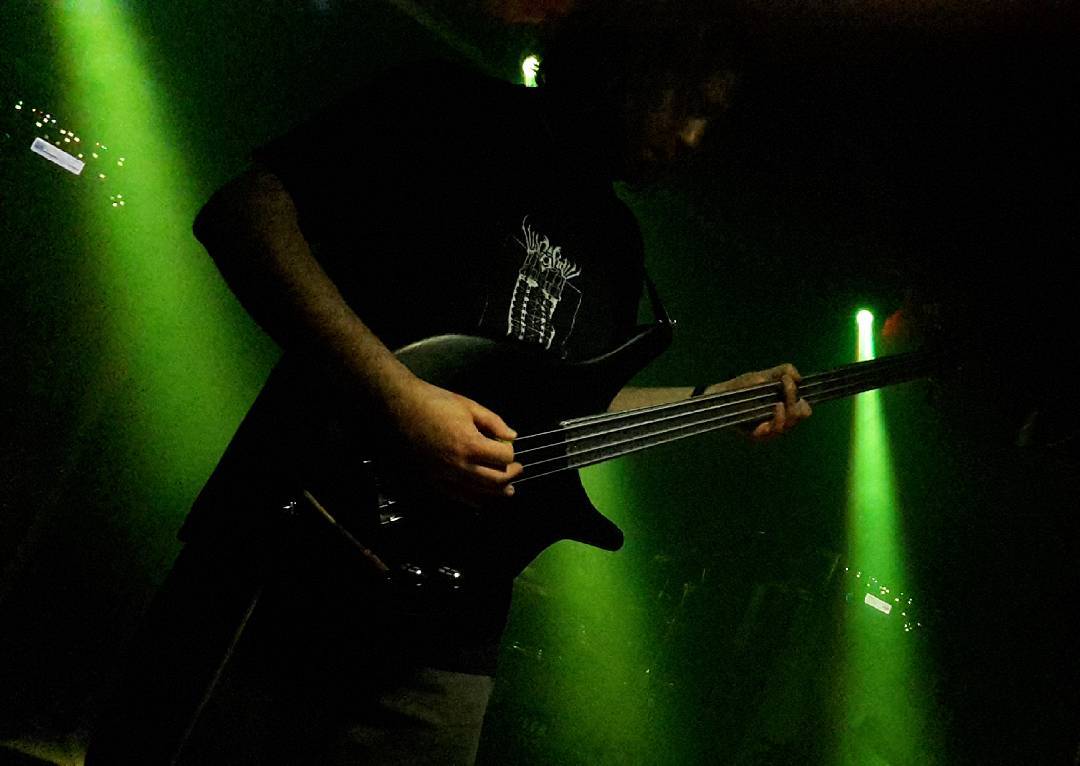
Esattamente 9 anni dopo l'ultimo avvistamento, mi ritrovo di fronte l’astronave Morkobot, che stavolta atterra nel pomeriggio di una domenica assolata di metà inverno, al Ganz of Bicchio, mentre, a pochi passi, ignare famiglie si dedicano alla passeggiata sul lungomare viareggino.

Gli onori di casa li fanno i pisani Reznik. Il loro alternative rock è dissonante e nervoso, con fondamenta solide grazie ad un basso davvero potente. La chitarra gioca con melodie perverse in stile Jesus Lizard e con frammenti ritmici di scuola Fugazi mentre il ringhio psicotico del cantante striscia tra le note. Si respira l’atmosfera del Texas ubriaco a cavallo tra anni 80 e 90. Gli alieni non sono accolti con segnali luminosi e melodici in stile Incontri ravvicinati del terzo tipo, ma con il ricordo disturbante dell’autopsia di Roswell.

La risposta dei tre extraterrestri è un bombardamento metallico pesantissimo, sferrato a ritmi irregolari difficili da comprendere per il cervello umano. Riff gommosi ed elastici si alternano a mazzate quadrate e poderose. Sono passati quasi dieci anni dall’ultimo contatto che ho avuto con i due bassi dei Morkobot, e rispetto al passato il suono si è fatto più metallico, digitale, chirurgico, senza però perdere potere visionario. Un nuovo batterista, e brani più geometrici e compatti. Richiesto due volte a gran voce dai terrestri presenti sotto il palco, il bis è dedicato ad atmosfere più dilatate e psichedeliche, per ricordarci che le traversate spaziali non sono solo incubi labirintici ipertecnologici ma anche viaggi mentali e spirituali. Ancora una volta è stato bellissimo farsi rapire da questi alieni.
[R.T.]

*** 

Morkobot + Reznik – 01.21.2017 – Ganz of Bicchio (Viareggio, LU)

Exactly 9 years after my last sighting, I find myself once again in front of Morkobot spaceship, this time landing on a mid-winter sunny Sunday at Ganz of Bicchio, while a few steps away unaware families are walking along the promenade in Viareggio.

Reznik, from Pisa, do the honours. Their alternative rock is dissonant and nervous, with solid foundations thanks to a really powerful bass. The guitar plays with perverse melodies in Jesus Lizard  style and with rhythmic fragments of Fugazi school, while the singer psychotic snarl crawls among the notes. It's like breathing the atmosphere of drunken Texas at the turn of the 80s and 90s. Aliens are not welcomed with melodic light signals in style Close Encounters of the Third Kind, yet with the disturbing memory of Roswell autopsy.

The response of the three extraterrestrials is an ultra-heavy metallic bombardment, launched at irregular rhythms difficult to understand for the human brain. Gummy elastic riffs alternate with square powerful blows. Almost ten years have passed since my last contact with Morkobot two basses, and compared to the past the sound has now become more metallic, digital, surgical, yet without losing visionary power. A new drummer, and more geometric compact songs. Twice requested by the terrestrials under the stage, the encore is dedicated to more dilated and psychedelic atmospheres, to remind us that space trips are not only hypertechnological labyrinthine nightmares, but also mental and spiritual journeys. Once again it was great to be abducted by these aliens.
[R.T.]

mercoledì 24 gennaio 2018

Converge - The Dusk in Us


Converge - The Dusk in Us
(Deatwish/Epitaph, 2017)

La tempesta. Come sempre. Ma anche la quiete nella tempesta. The Dusk in Us alterna furia, rabbia e violenza hardcore e momenti introspettivi, di pausa, di riflessione. Tutta l'energia incontenibile dei Converge è lì, ed esplode nelle orecchie dell'ascoltatore. Ma l'apertura alla melodia ora è più presente che in passato. E non solo nella struggente title-track - un pezzo che riesce davvero a toccare le corde più profonde dell'anima - o nell'altrettanto toccante Thousands of Miles Between Us, ma anche nelle altre canzoni dell'album. Attraverso schiarite improvvise, ed impreviste, e fraseggi di chitarra e basso che spaziano anche al di là delle soluzioni "più melodiche" del post-hardcore. La voce di Bannon è presenza costante e fondamentale. Tanto quando ci sputa addosso i versi più incazzati, quanto in quelle più rare parti in cui passa alle linee pulite, e la sua voce sembra volerti scavare dentro e portare alla luce qualcosa di prezioso e nascosto, represso. Soffermandosi poi sui testi dell'album, questa sensazione diventa ancora più tangibile, concreta e vivida. E se i Converge non potrebbero essere tali senza la micidiale batteria di Ben Koller, altrettanto imprescindibile è la chitarra di Kurt Ballou in sinergia con il basso di Nate Newton. Perfetti nelle parti tirate e distorte, ancor più efficaci e perfetti nel creare atmosfere sospese e rarefatte. Il tramonto è in noi. L'oscurità è una costante, così come il dolore. Ma siamo qui. E lottiamo per essere qui. Nonostante tutto. Con The Dusk in Us i Converge ci regalano la colonna sonora di questa situazione esistenziale. 
[E.R.]
*** 

Converge - The Dusk in Us
(Deatwish/Epitaph, 2017)

The storm. As always. But also the quiet in the storm. The Dusk in Us alternates fury, rage and hardcore violence with introspective moments, of pause and reflection. All Converge uncontrollable energy is there, and it explodes in the listener's ears. But the opening to melody is now more present than in the past. And not only in the poignant title track - a song really capable of touching the deepest chords of the soul - or the equally moving Thousands of Miles Between Us, but also in the other songs on the album. Through sudden, unexpected, clearing ups, and guitar and bass phrasings that go beyond the "more melodic" post-hardcore solutions. Bannon voice is constant fundamental presence. So when he spits on us the most angry lines, as in those rarer parts in which he passes to clean lines, and his voice seems to want to dig inside us and bring to light something precious and hidden, repressed. Focusing on the lyrics of the album, this feeling becomes even more tangible, concrete and vivid. And if Converge could not be such without Ben Koller deadly drums, Kurt Ballou guitar in synergy with Nate Newton bass is also essential. Perfect in the more direct and distorted parts, even more effective and perfect in creating suspended rarefied atmospheres. The dusk is in us. Darkness is a constant, just like pain. But we are here. And we struggle to be here. Despite everything. With The Dusk in Us Converge give us the soundtrack of this existential situation.
[E.R.]

lunedì 22 gennaio 2018

Death - Human


Death - Human
(Relativity, 1991)

Punto di svolta della musica estrema, Human viene pubblicato nel momento in cui il death metal sta emergendo dai confini dell'underground. Ancora una volta la strada intrapresa da Schuldiner è un passo avanti a quella di chiunque altro. Devastanti muri di suono, violente esplosioni di rabbia e atmosfere malate non sono lo scopo bensì gli strumenti per esprimere l'esistenzialismo di Schuldiner. La musica è contorta e cerebrale, come le domande sulla condizione umana espresse dal growl del cantante. Masvidal, Di Giorgio e Reinert contribuiscono a modellare un capolavoro di progressive metal come dimostra l'esperienza psichedelica della strumentale Cosmic Sea, abisso dell'album. Gli assalti frontali dei Death sono interiorizzati attraverso una sofferenza lacerante, essendo diretti alla stessa sorgente che li genera.
[R.T.]
***

Death - Human
(Relativity, 1991)

Turning point of extreme music, Human is released while death metal was exceeding underground borders. Once again, the way undertaken by Schuldiner is a step beyond everyone else’s. Devastating walls of sounds, violent rage explosions and sick atmospheres are not the purpose but the means to express Schuldiner’s existentialism. The music is contorted and cerebral, as questions about human condition expressed by the growl of the singer. Masvidal, Di Giorgio and Reinert contribute to mould a progressive metal masterpiece, as demonstrated in psychedelic experience of instrumental Cosmic Sea, the abyss of the album. Death frontal assaults are interiorized through a lacerating suffering, as they are directed to the same source that generates them.
[R.T.]

giovedì 18 gennaio 2018

Chelsea Wolfe – Hiss Spun


Chelsea Wolfe – Hiss Spun
(Sargent House, 2017)

Ho alzato il volume, fino al punto in cui credevo la stanza si sarebbe saturata. Ma la profondità degli strati sonori di Hiss Spun è talmente elevata che non ne vedi mai il fondo. Me ne sono andato dall’altra parte della casa. La voce di Chelsea Wolfe, deviata dai muri e incanalata attraverso le porte, pareva provenire da un’altra dimensione. Per potersi sviluppare, la musica necessita di spazio. Soprattutto quando chi la compone reclama un’immersione, fisica e mentale, in essa. Con l’aiuto di Kurt Ballou e Ben Chisholm, Chelsea Wolfe ha creato uno spazio tridimensionale, capace di modificarsi in base ai diversi metodi di ascolto, senza mai perdere fascino. Nuotare in questo oceano che si nutre di  fascinazioni gotico-industriali e post metal, significa lasciarsi rapire dal canto da sirena dell'artista californiana e fluttuare ovunque lei decida di portarci, come meduse alla deriva nella corrente. In certi momenti sembra di averla accanto che ci bisbiglia in un orecchio (come una sorta di lato oscuro di Pj Harvey), in altri la vediamo riflessa e deformata dietro un vetro di effetti e distorsioni. Ed anche se la guida del nostro naufragare è Chelsea Wolfe, è evidente quanto questa musica sia il frutto di una collaborazione, nel calore di una sala prove ingombrata da muri di amplificatori. Una vecchia amica alla batteria (Jess Gowrie) e il fidato Ben Chisholm impegnato in tutto il resto (oltre ad alcuni ospiti di eccellenza come Aaron Turner e Troy Van Leeuwen). Al di là delle ondate di distorsione e rumore generate dalla band, c'è un voce sospirata, un respiro trattenuto. Ma quando questo viene liberato, siamo letteralmente inghiottiti dalle voragini che si spalancano di fronte a noi e sembrano condurci nelle intime profondità della loro autrice.
[R.T.]
***

Chelsea Wolfe – Hiss Spun
(Sargent House, 2017)

I turned up the volume, up to the point I thought the room would be saturated. But the depth of the sound layers of Hiss Spun is so high that you never see the bottom. I moved to the other side of the house. Diverted from the walls and channeled through the doors, Chelsea Wolfe voice seemed to come from another dimension. To develop itself, music needs space. Especially when its composers claim a physical and mental immersion in it. With the help of Kurt Ballou and Ben Chisholm, Chelsea Wolfe has created a three-dimensional space, able to change according to different listening methods, without losing its charm. Swimming in this ocean that feeds on gothic-industrial and post-metal fascinations, means letting yourself be carried away by the mermaid song of the Californian artist and floating everywhere she decides to take us, like jellyfish adrift in the current. At times it seems to have her beside whispering in one ear (like a sort of Pj Harvey dark side), in other moments we see her reflected and deformed behind a glass of effects and distortions. And even if the guide of our shipwreck is Chelsea Wolfe, it is clear that this music is the result of a collaboration, in the warmth of a rehearsal room cluttered with walls of amplifiers. An old friend on drums (Jess Gowrie) and the trustworthy Ben Chisholm engaged in everything else (in addition, some excellent guests like Aaron Turner and Troy Van Leeuwen). Beyond the waves of distortion and noise generated by the band, there is a sighed voice, a stifled breath. But when this is freed, we are literally engulfed by the chasms that open up before us and lead us into the intimate depths of their author.
[R.T.]

lunedì 15 gennaio 2018

Slint - Spiderland


Slint - Spiderland
(Touch and Go, 1991)

Passato inosservato ai tempi della sua pubblicazione (nonostante il supporto di Steve Albini), così come Frigid Stars dei Codeine, il secondo album degli Slint verrà riscoperto durante la primavera del fenomeno post rock. Tuttavia, a differenza delle band che andrà ad ispirare, Spiderland mostra una completa assenza di enfasi emotiva tale da renderlo uno dei migliori tributi al torpore e alla stanchezza. Nelle canzoni degli Slint il climax non viene mai raggiunto anche se è sempre suggerito: così la musica ondeggia in un acquatico senso di attesa. A differenza che nel disco dei Codeine, qui le armonizzazioni rumorose sono più evidenti, e allo stesso modo lo sono gli schemi ritmici geometrici (per quanto irregolari) e le fluide strutture delle canzoni. Spiderland è un album post-hardcore che implode in una stasi apatica: una timida musica atmosferica che annichilisce il classico ruolo del cantante e i canoni rock basati sulle sequenze tensione/esplosione.
[R.T.]
*** 

Slint - Spiderland
(Touch and Go, 1991)

Gone unnoticed at the time of its release (despite Steve Albini endorsement), as much as Frigid Stars by Codeine, Slint second album will be rediscovered through the spring of post rock phenomenon. Yet, unlike the bands it will inspire, Spiderland displays a complete absence of emotive emphasis that makes it one of the best tributes to torpor and weariness. In Slint songs climax is never reached even though it is always suggested: so the music wavers in an aquatic state of waiting. Unlike in Codeine album, here noisy harmonizations are more evident, and so are the geometrical (though irregular) rhythmic patterns and fluid structures of the songs. Spiderland is a post-hardcore album that implodes in apathetic stasis: a shy atmospheric music that annihilates the classical role of the singer and rock standards based on sequences of tension/release.
[R.T.]

venerdì 12 gennaio 2018

Harsh Toke / Joy / Sacri Monti - Burnout


Harsh Toke / Joy / Sacri Monti - Burnout
(Tee Pee Records, 2017)

Se nel 2017 ha ancora senso parlare di “scena musicale”, la città di San Diego ne è sicuramente esempio perfetto e una delle sue migliori incarnazioni. In un’epoca in cui le collaborazioni e le condivisioni a distanza (via internet) sono la norma, nel cuore della California esiste un gruppo di amici per i quali lo stretto rapporto di conoscenza è stato (ed è) il fulcro per la nascita di un movimento musicale vero e proprio. Il cuore di questa comunità artistica è da ricercarsi nelle dilatazioni lisergiche che caratterizzano la musica degli Earthless, veri e propri padri fondatori del movimento. Le cavalcate psichedeliche della storica band californiana sono state seguite da un gruppo affiatato di concittadini, i quali condividono spesso lo stesso palco e mischiano le proprie band con la stessa facilità con la quale miscelano assoli di blues psichedelico. La Tee Pee Records offre un assaggio dell'atmosfera che si respira nei locali della città californiana, con uno split in cui tre band, solitamente dedite a lunghe jam session visionarie, racchiudono la loro strabordante creatività in due brevi brani a testa. 
Le prime pillole di psichedelia sono offerte dagli Harsh Toke che sciolgono due classici di Rocky Erickson in un oceano di assoli ed in un grezzo, potentissimo, riff-o-rama più vicino al sound di Detroit che a quello di San Diego. Chi ha avuto la fortuna di assistere al loro concerto in onore del cantante/chitarrista dei 13th Floor Elevators, al Roadburn 2017, sa già quanto gli Harsh Toke sappiano essere rozzi e stracarichi di tiro, e non solo degli sciamani dell'improvvisazione selvaggia. 
Seguono i Joy: con un brano originale ed una cover dei Road (band di Noel Redding, bassista della Jimi Hendrix Experience) pare proprio che ci vogliano far entrare nella loro sala prove, nel bel mezzo di una jam session in cui l'hard rock si liquefà in una cascata colorata di assoli psichedelici. 
Il terzo 45 giri racchiude tra i suoi solchi la musica dei Sacri Monti, capaci di bilanciare con sensibilità progressiva il tocco morbido dell'organo e la potenza della chitarra, soprattutto in un'esaltante versione di Sleeping for Years degli Atomic Rooster. 
Il debito che l'heavy psych attuale ha nei confronti di quello degli anni '70 viene ripagato da questo split (peccato soltanto che gli Harsh Toke non abbiano proposto un brano originale) in cui le tre band di San Diego omaggiano i loro mentori e al tempo stesso dimostrano quanto sia ancora esplosiva la scena della loro città.
[R.T.]
***

Harsh Toke / Joy / Sacri Monti - Burnout
(Tee Pee Records, 2017)

If in 2017 it still makes sense to talk about "musical scene", San Diego is certainly a perfect example and one of its best incarnations. In an era when remote collaborations and sharings (via internet) are the norm, in the heart of California there is a bunch of friends whose  close relationship has been (and is) the seed for the birth of a real musical movement. The heart of this artistic community is to be found in the lysergic dilations characterizing Earthless - true fathers of the movement - and their music. The psychedelic rides of the historic Californian band were followed by a close-knit group of fellow citizens, who often share the same stage and mix their bands with the same ease with which they mix psychedelic blues solos. Tee Pee Records offers a taste of the atmosphere you can breath in the venues of the Californian city thanks to a split in which three bands, usually dedicated to long visionary jam sessions, enclose their overflowing creativity into two short songs each. 
The first psychedelic pills are offered by Harsh Toke melting two Rocky Erickson classics in an ocean of solos and in a rough, powerful, riff-o-rama much closer to the sound of Detroit than to that of San Diego. Those lucky enough to attend their concert in honor of the 13th Floor Elevators singer/guitarist at Roadburn 2017, they already know how much Harsh Toke knows how to be rough and super-groovy, and not just shamans of wild improvisation. 
Then Joy: with an original song and a cover of Road (band of Noel Redding, bass player of the Jimi Hendrix Experience) it seems that they want us to enter their rehearsal room, in the middle of a jam session in which hard rock liquefies itself into a colorful cascade of psychedelic solos. 
The third 45 rpm is for Sacri Monti, whose music is capable of balancing with progressive sensitivity the soft touch of the organ and the power of the electric guitar, especially in an exciting version of Sleeping for Years by Atomic Rooster. 
The debt that the current heavy psych has towards that of the 70s is repaid by this split (just what a pity that Harsh Toke did not insert an original song) in which the three bands from San Diego pay homage to their mentors and at the same time show how explosive the scene of their hometown is.
[R.T.]